


.png)
DeepLife in 2025: AI + Digital Twins of Cells Driving Innovation
Abstract
2025 was a defining year for DeepLife. We moved decisively from promise to practice, transforming AI-driven digital twins of human cells into a scalable engine for drug discovery and therapeutic development.
Across the year, we set new benchmarks for speed, precision and biological insight, accelerating drug repositioning and uncovering novel disease mechanisms in autoimmune, neurodegenerative, oncological and rare diseases. What began as cutting-edge science has matured into a robust, partner-ready platform - and increasingly, into tangible assets.
$10M Series A to accelerate global expansion
With the close of a $10M Series A in December 2024 - led by YZR Capital and Turenne Groupe, with support from Beiersdorf Venture Capital and Groupe Prunay - DeepLife entered 2025 with the resources to scale rapidly.
This investment enabled a step change in the execution of our mission to compress pre-clinical drug discovery timelines from years to months. More than capital, the round validated our vision: AI-driven digital twins of cells can fundamentally reshape how therapies are discovered, de-risked and developed.
Read the coverage on Sifted
From digital twins to drug candidates: launching our AI-powered asset programme
In 2025, DeepLife launched its asset programme - a pivotal milestone in translating AI-driven biology into real-world therapeutics. The programme focuses on advancing high-confidence drug candidates generated from DeepLife’s digital twins of human cells, transforming cutting-edge biology into a focused, partner-ready pipeline. It brings together our most advanced digital assets - including novel targets and high-confidence drug repositioning opportunities - streamlining the path from discovery to clinical application.
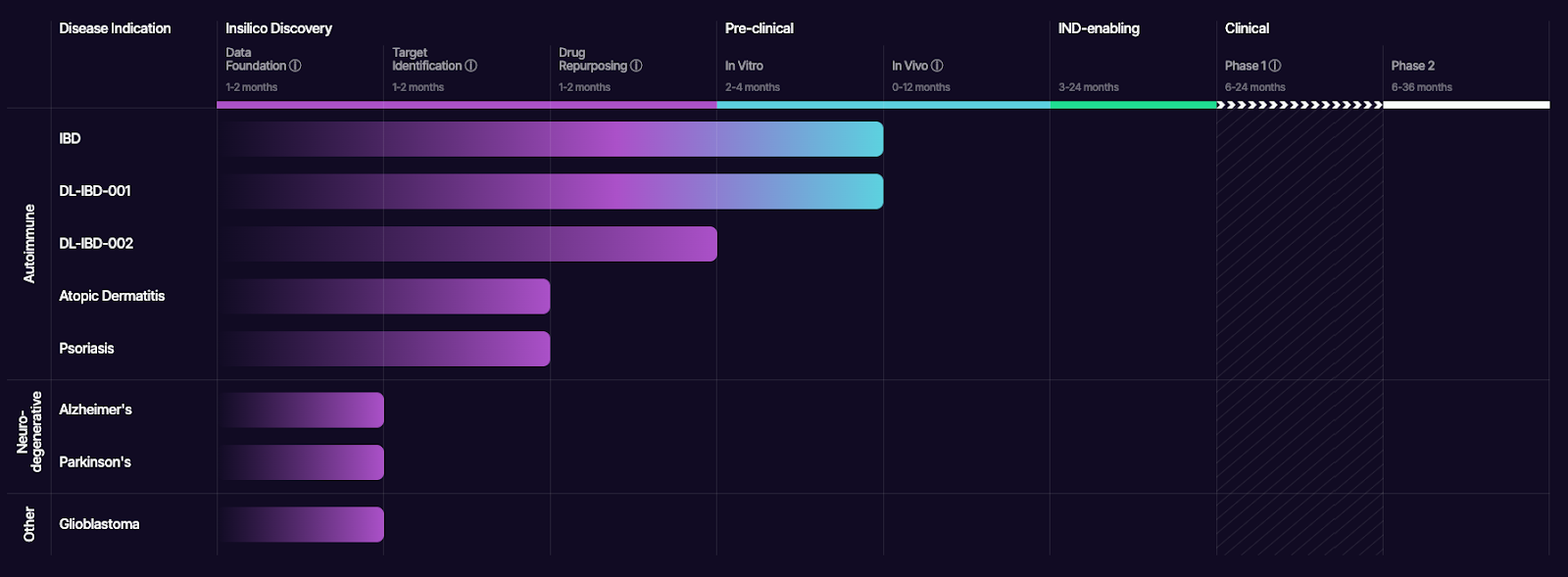
IBD as the inaugural asset
The first asset targets inflammatory bowel disease (IBD), a complex autoimmune disorder with significant unmet medical need. By leveraging an AI engine trained on more than 100 million single-cell data points, DeepLife uncovered previously hidden molecular drivers of the disease. This enabled:
- Identification of disease-modifying targets
- Rapid prioritization of repurposable FDA-approved drugs
- A sharper focus on cell-type-specific networks, targets and therapeutics
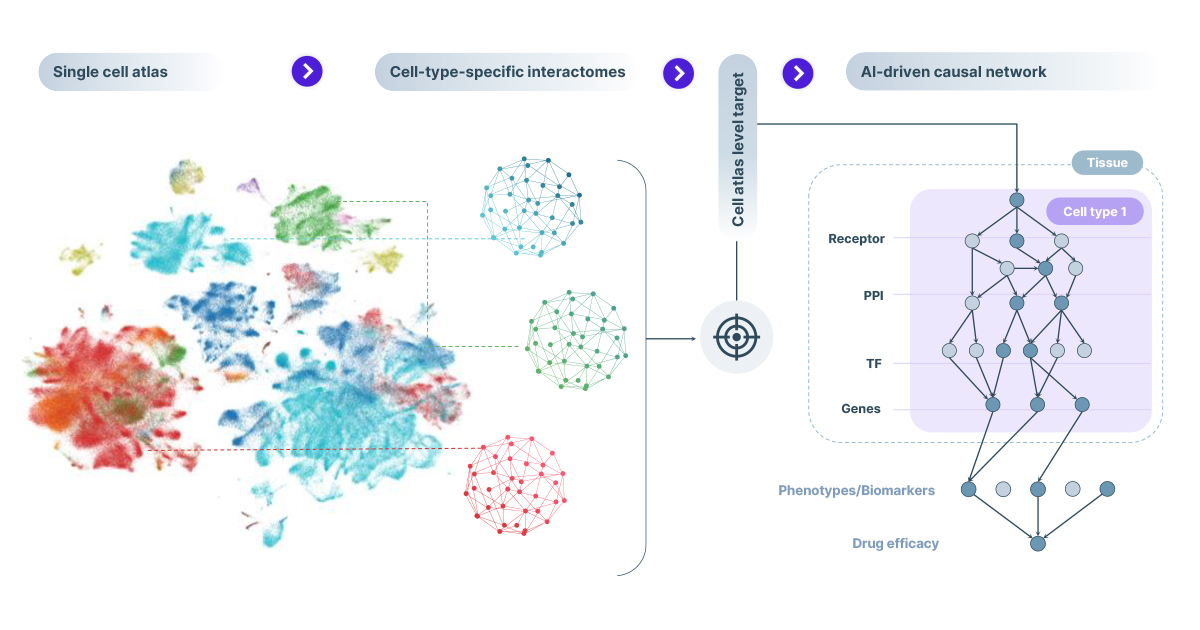
By operating at true cellular resolution, DeepLife compressed the timeline from data to therapeutic insight - demonstrating that our digital twin of cell technology can deliver actionable biological insights at speed.
With the launch of the asset programme, DeepLife marked a strategic evolution: from platform innovation to advancing tangible drug candidates with real patient impact. This reinforces our long-term focus on autoimmune and neurodegenerative diseases - and our commitment to curing disease, one cell at a time.
Discover how DeepLife uses AI to uncover the hidden triggers of autoimmune diseases
From lab to launch: scaling science and delivering impact
2025 was also a year of scaling and maturation. As DeepLife grew, we invested in building the infrastructure and processes required to support rapid innovation without compromising reproducibility, scientific or operational rigor. Our work on scalable data architecture ensured that our platform could handle increasingly complex datasets and programs at scale.
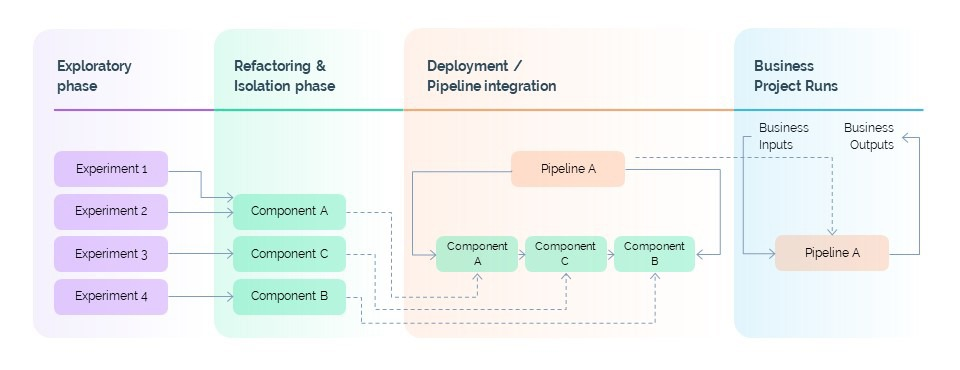
By moving from exploratory research to production-ready pipelines through modular components, automated documentation and end-to-end MLOps, we enabled tighter collaboration between scientists and engineers, accelerating the translation of discoveries into real-world impact.
Together, these advancements reflect DeepLife’s evolution into a fully integrated techbio company, ready to scale innovation reliably, repeatedly and bring new therapies closer to patients.
Unlocking new frontiers in cancer biology
DeepLife has continued to push the boundaries of cancer biology in 2025 by partnering with leading hospitals, institutions and biotech companies to apply our technology to some of the field’s most complex challenges. Our research collaborations are revealing how cancers emerge, evolve and resist treatment - laying the groundwork for more precise, biology-led therapies.
Mapping oral cancer at cellular resolution
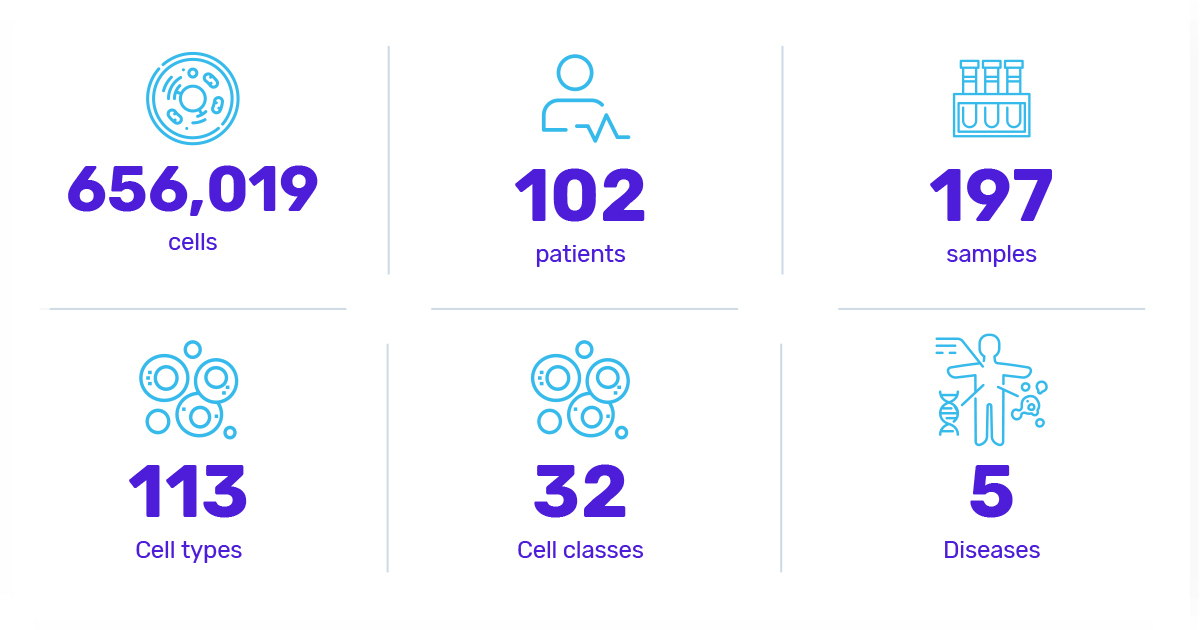
In partnership with Centre Léon Bérard, DeepLife unveiled the Oral Mucosa Cell Atlas (OMC-Atlas), a comprehensive map of cellular changes from healthy tissue to oral cancer. By combining AI, single-cell multi-omics, and digital twins of cells, the atlas identifies early biomarkers and therapeutic targets, advancing a more precise understanding of disease progression and bringing precision oncology one step closer to reality.
Learn how the OMC-Atlas is reshaping our understanding of oral cancer
Tackling pancreatic cancer through AI, organoids and CK1 inhibition
DeepLife also played a key role in the PANC-CKI consortium, addressing one of oncology’s greatest challenges. Pancreatic cancer remains one of the most aggressive, treatment-resistant and deadliest cancers worldwide with poor translation from traditional preclinical models to clinical success.
By integrating AI-driven digital twins of tumors, patient-derived organoids and organs-on-chip platforms, the consortium is developing a first-in-class CK1 inhibitor designed to overcome tumor aggressiveness and drug resistance.
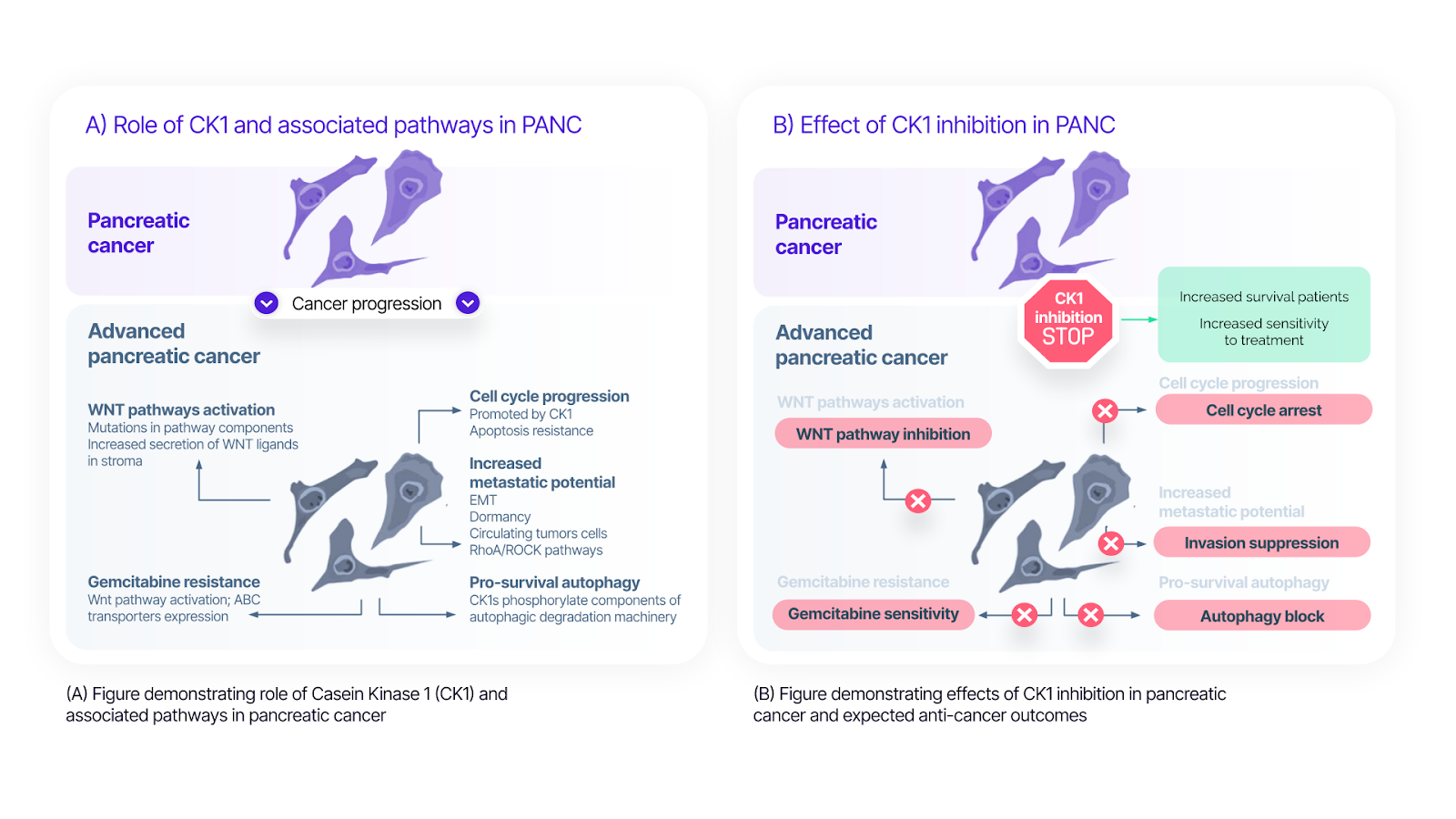
Over the past year, DeepLife’s AI platform mapped pancreatic tumor heterogeneity at unprecedented resolution, rapidly identifying promising therapeutic combinations and accelerating the path from discovery to preclinical validation.
Read more about how PANC-CKI is cracking pancreatic cancer's defenses
Advancing precision therapies for pediatric liver cancer
Pediatric liver cancer remains a rare but devastating disease, with limited treatment options and a critical need for more precise, biology-driven therapies. Through the SignalWise project in collaboration with the MIRCADE (Methods and Innovations for Research in Pediatric Cancers) team at Inserm (the French national institute of public health and research), DeepLife is applying its AI-powered digital twins of cells to uncover the molecular mechanisms driving tumor progression in young patients.

By integrating single-cell data, causal AI and advanced cellular modeling, the project aims to identify novel therapeutic vulnerabilities and stratify tumors based on their underlying biology. These insights enable the prioritization of targeted treatment strategies that could improve outcomes while reducing unnecessary toxicity for pediatric patients.
Initial computational insights are now entering preclinical validation in zebrafish and juvenile mouse models to assess efficacy, target engagement and histological response - marking an important step toward safer, more precise therapies for children affected by this disease.
Discover how SignalWise is changing the future of precision therapies for pediatric patients
Beyond therapeutics: expanding across biological systems
In a powerful demonstration of the versatility of our technology, DeepLife partnered with Parima (formerly Gourmey) to develop the world’s first avian digital twin - a multi-omics interactome model that integrates transcriptomics, proteomics and metabolomics data. This work enables:
- Deep understanding of avian cell metabolism and regulation
- Optimization of cell growth and production efficiency
- Support for product quality and safety assessment
.png)
The joint research, published in Trends in Food Science & Technology, introduces a novel Target-Action-Metabolite (TAM) framework, illustrating how DeepLife’s causal AI can extend beyond healthcare into sustainable food innovation.
This collaboration underscores a broader truth: digital twins of cells are a foundational technology for understanding and engineering biological systems across industries. Our technology can transform not only drug discovery, but the entire landscape of biological systems.
Read the full paper
Showcasing DeepLife on the global stage
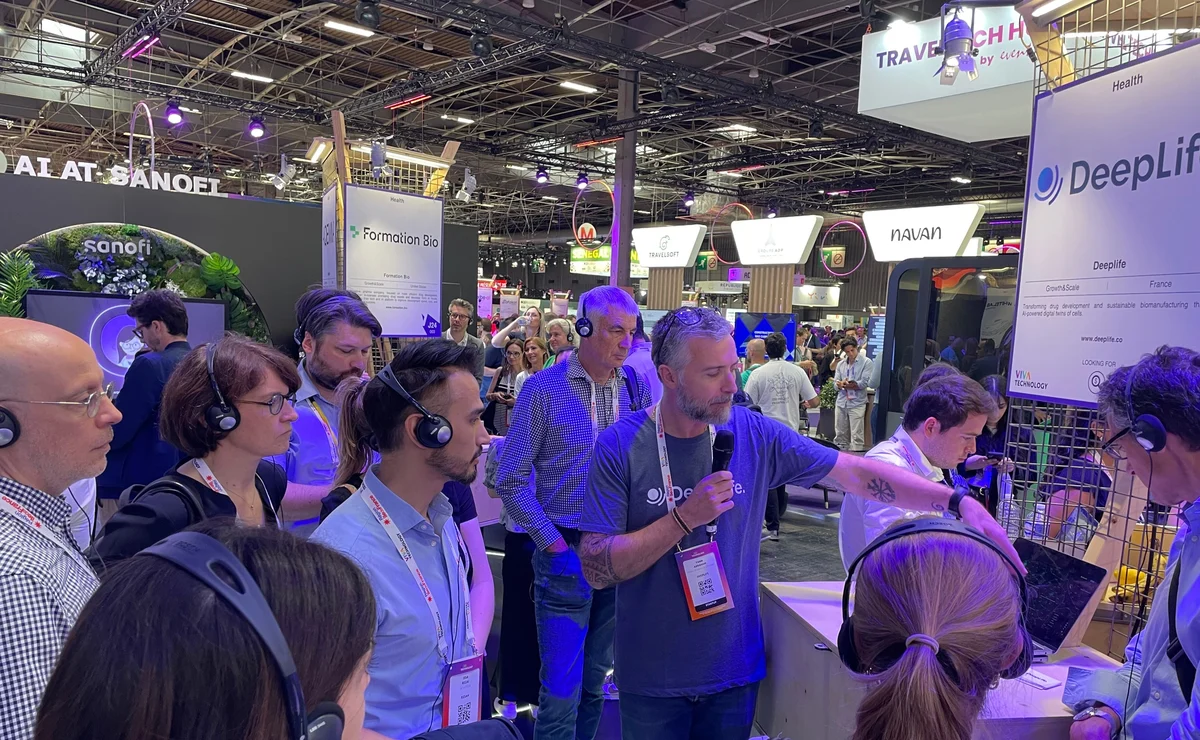
Throughout 2025, DeepLife showcased its breakthroughs at leading international events, including BIO International Convention, HLTH Europe and VivaTech. Across these forums, we demonstrated how AI-guided drug repositioning and digital twins of cells can:
- De-risk early-stage R&D
- Accelerate development timelines
- Unlock novel indications for novel and existing assets
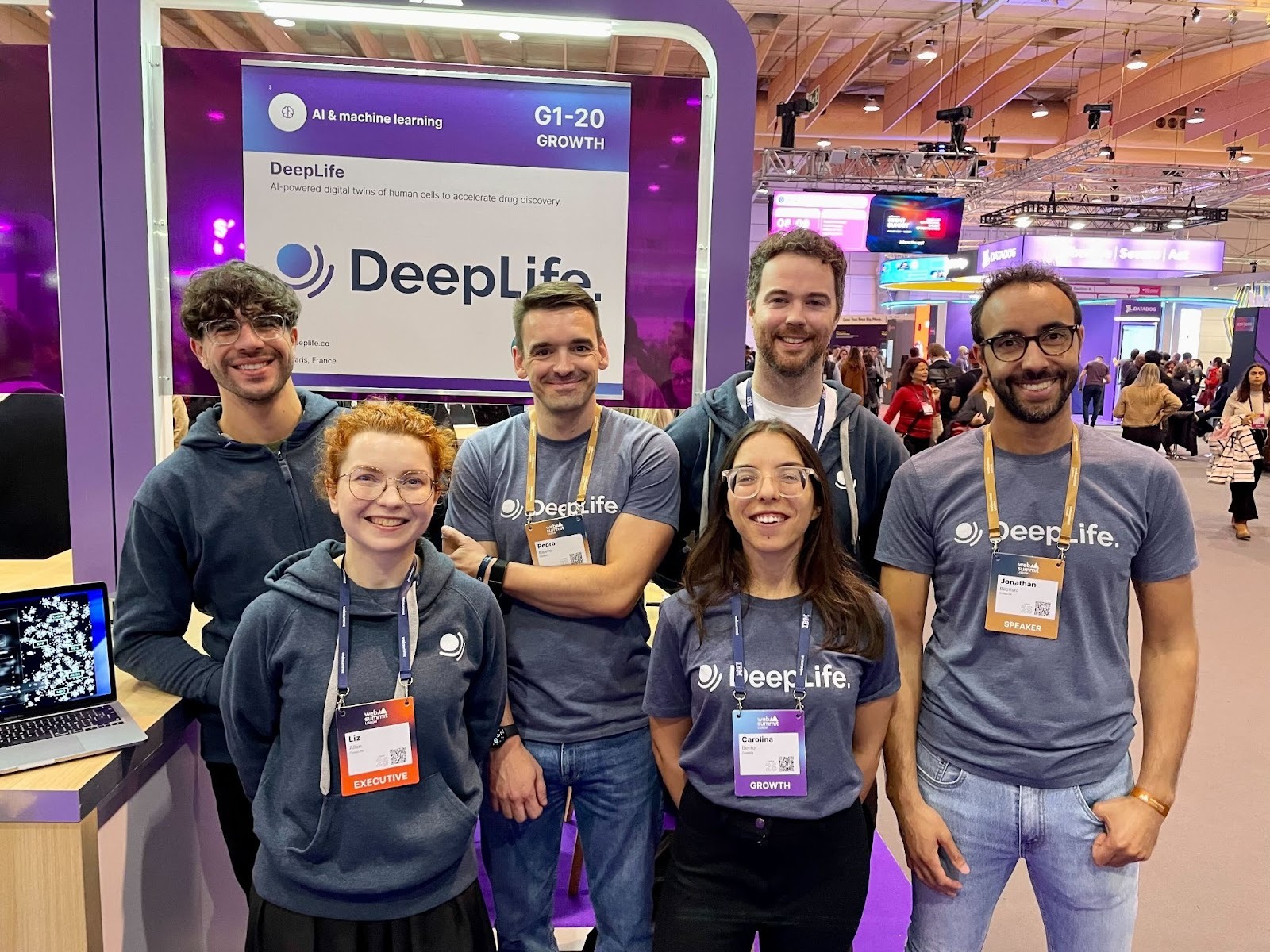
From Boston to Paris, the momentum is building. Inbound interest from pharma and biotech partners continues to grow - reflecting strong global demand for smarter, faster and more capital-efficient drug discovery.
Looking ahead to 2026
2025 marked a turning point for DeepLife - from scaling our platform to advancing real therapeutic assets, forging scientific and industry partnerships, and moving decisively from exploratory science to operational maturity. Our focus remains clear: to cure disease, one cell at a time, by decoding the complexity of biology through cell-type-specific approaches powered by AI.
As we move into 2026, we’re entering a new phase of execution - one that builds directly on the foundations laid over the past year. Several major milestones are now within reach and we’ll be sharing important news very soon.
We’re excited to bring our community together on 19 February 2026 at Infinite 2026: Unlocking New Value in Existing Therapies - an exclusive in-person event at Future4Care in Paris. Industry leaders, clinicians, investors and researchers will explore how AI is transforming drug innovation and maximizing the therapeutic potential of existing assets.
This event is more than a showcase - it’s a moment to connect, to exchange and shape the future of precision medicine.
Save your spot today